


In today’s digital-first world, anyone can learn to code. Online platforms offer thousands of tutorials, bootcamps, and certifications. Yet, despite all this access, many still struggle to break into tech or grow beyond a junior role. Why?
Because what separates great developers from the rest isn’t just technical skill — it’s the mindset. That’s why understanding how to build the mindset of a successful programmer is as critical as learning JavaScript or Python.
The right mindset powers your ability to solve problems, collaborate with others, handle failure, and continuously learn. In this guide, we’ll explore the core mental frameworks and habits you need to develop a resilient, growth-oriented, and high-performance programmer mindset.
🧠 Why Mindset Matters More Than Code
Programming is more than writing lines of code — it’s about solving problems efficiently and creatively. And that requires a unique way of thinking.
When you build a strong programmer mindset, you unlock benefits like:
- Greater confidence in tackling new languages or technologies
- Improved debugging and problem-solving skills
- Higher adaptability in fast-changing tech environments
- More resilience in the face of bugs, errors, and failure
- Long-term career growth and leadership potential
Let’s break down exactly how you can shape this powerful mindset.
🔑 Core Principles of a Successful Programmer’s Mindset
1. Adopt a Problem-Solving Mentality
At its core, programming is problem-solving. Whether you’re building an app or fixing a bug, the ability to logically break down a problem is crucial.
Pro Tip: Always ask yourself, “What am I trying to solve?” before touching the keyboard.
How to Develop It:
- Practice algorithms and data structures regularly (try LeetCode, HackerRank)
- Break down problems into smaller chunks
- Use pseudocode to map out logic before coding
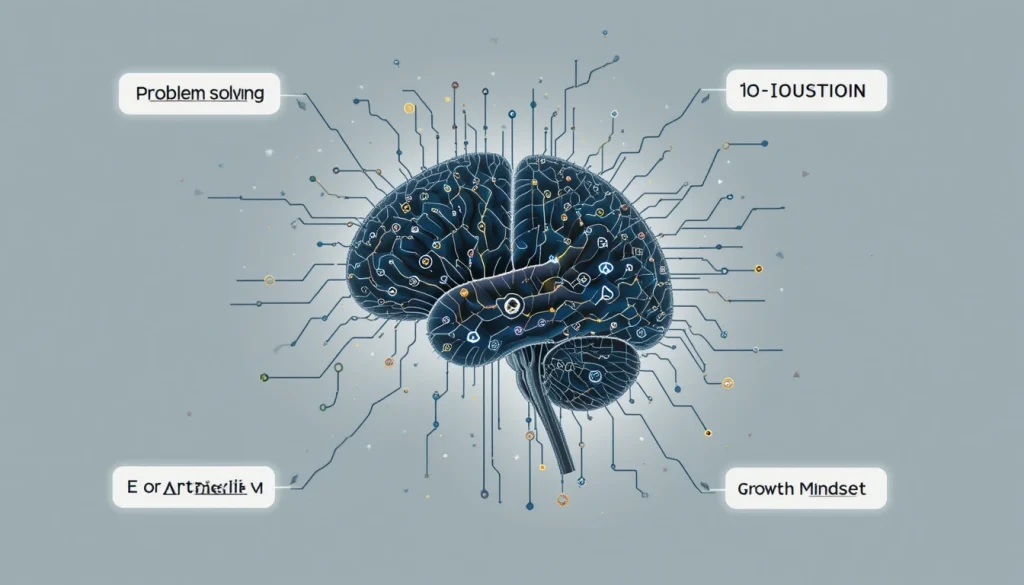
2. Embrace the Growth Mindset
Coined by psychologist Carol Dweck, a growth mindset is the belief that abilities can be developed through effort and learning.
Successful programmers embrace challenges and learn from mistakes rather than fearing failure.
How to Develop It:
- Celebrate progress, not just results
- See bugs as learning opportunities
- Reflect on what went wrong without self-blame
- Follow inspiring developer stories (many started with zero experience!)
3. Get Comfortable With Being Uncomfortable
In tech, change is the only constant. Frameworks evolve, tools get outdated, and what’s hot today might be obsolete tomorrow.
Great developers don’t resist change—they adapt to it.
How to Develop It:
- Try new tools or languages regularly
- Accept that you’ll never know everything
- Be curious, not overwhelmed, when facing new challenges
4. Think in Systems, Not Just Syntax
Memorizing syntax doesn’t make you a great coder. Understanding how systems work together—front-end to back-end, APIs, databases, CI/CD pipelines—is key.
How to Develop It:
- Build full-stack projects to see the bigger picture
- Ask “why” as often as “how”
- Read documentation, not just tutorials
5. Prioritize Deep Work
Deep work means long periods of distraction-free focus — and it’s essential for mastering complex logic or debugging tricky issues.
How to Develop It:
- Use time-blocking techniques (like the Pomodoro method)
- Turn off notifications while coding
- Work in sprints, then take mindful breaks
6. Master the Art of Asking Questions
Don’t just Google errors — understand them. And when you’re stuck, asking the right question can save hours.
How to Develop It:
- Learn how to search effectively (e.g., Stack Overflow etiquette)
- Don’t fear looking “dumb” — senior devs ask questions all the time
- Frame your questions with context and clarity
7. Build Projects, Not Just Skills
Skills mean nothing without real-world application. Projects help you understand how everything connects and let you learn through trial and error.
How to Develop It:
- Build something small weekly (weather app, blog, calculator)
- Contribute to open-source on GitHub
- Join hackathons or code-alongs
8. Write Readable, Maintainable Code
Good code is not just about making it work—it’s about making it understandable for others and your future self.
How to Develop It:
- Follow naming conventions
- Add clear comments only where necessary
- Refactor regularly to improve clarity
9. Practice Consistency Over Perfection
You don’t have to be perfect to succeed. You just have to show up every day and keep learning.
How to Develop It:
- Set daily or weekly learning goals
- Keep a coding journal to track progress
- Accept that progress may be slow—and that’s okay
10. Think Like a Product, Not Just a Coder
The best developers understand the user experience and business value of their code.
How to Develop It:
- Ask how your code impacts users
- Learn about UX/UI basics
- Collaborate with designers and product managers
🧩 Real-World Traits of Successful Programmers
Want to know what separates senior devs or tech leads from the rest? It’s not just years of experience. It’s these mindset-driven behaviors:
| Trait | Description |
|---|---|
| Curiosity | Always eager to learn and explore new technologies |
| Patience | Willing to debug and troubleshoot without panic |
| Humility | Open to feedback and admitting mistakes |
| Communication | Can explain code, ask questions, and collaborate effectively |
| Self-discipline | Codes consistently, even when it’s hard |
🚀 Bonus Habits to Strengthen Your Programmer Mindset
- Read code from others – you’ll learn new patterns and styles
- Teach what you learn – writing tutorials or explaining concepts helps retain knowledge
- Take care of your health – mental sharpness requires physical energy
- Celebrate small wins – every bug fixed is progress!
✅ Key Takeaways
- Mindset matters as much as — if not more than — technical skills.
- A successful programmer is curious, resilient, and always learning.
- Problem-solving, deep focus, and real-world practice are mindset multipliers.
- Progress is better than perfection. Build projects and reflect often.
- Success starts not in your code editor, but in how you think.
❓ Frequently Asked Questions
1. Can mindset really make a difference in programming?
Absolutely. Your mindset shapes how you approach problems, handle setbacks, and grow. Many successful developers credit their mindset more than any course or degree.
2. What if I’m not naturally good at problem-solving?
Problem-solving is a skill — and skills can be developed. Practice regularly, break problems into steps, and study how others solve challenges.
3. How long does it take to develop the mindset of a successful programmer?
It’s ongoing. Mindset is a muscle. The more you code, reflect, and learn, the stronger it gets.
4. Can I build the right mindset without a computer science degree?
100%. Many top developers are self-taught. What matters is your attitude, curiosity, and consistent effort.
5. How do I stay motivated during tough coding phases?
Join communities (like Reddit, Discord, or dev.to), celebrate small wins, and remind yourself of your long-term goals. Tough times are part of the journey.
🏁 Conclusion
Mastering syntax is only half the battle. To truly thrive in the tech world, you must learn how to build the mindset of a successful programmer — a mindset rooted in resilience, curiosity, consistency, and growth.
Think of this mindset as your invisible superpower — the quiet engine behind every problem you solve, every feature you build, and every bug you squash. Whether you’re just starting or already deep into your coding journey, shift your focus inward and strengthen the way you think. It will pay off in every line of code you write — and every opportunity that comes your way.